How College Students Cram Without Adderall (7 Natural Methods That Work)

How College Students
Cram Without Adderall
7 science-backed methods to crush finals week — no stimulants, no prescription, no crash.
Tuscaloosa Apartment Directory ↔ Understand Tuscaloosa Zip Code Codes ↔ Contact Us - Sponsorships, Advertisements and Blog Posts Available

It’s 11 PM. Your exam is at 8 AM. You’ve got a textbook, a highlighter, and zero Adderall, while your dorm floor is in the same boat, but with the right study strategies, you don’t need it. Good news: you don’t need it. Research consistently shows that the right cramming strategies outperform stimulant use for actual retention. Here’s exactly what to do.
Do a Brain Dump First
Before you crack a single textbook, spend 10 minutes writing everything you already know about the subject knowledge. This “brain dump” activates prior knowledge, reduces anxiety, and helps you instantly spot your biggest gaps — so you stop wasting time re-reading things you already know.
- Set a 10-minute timer. Write freely — no editing.
- Use bullet points, diagrams, or a mind map — whatever flows.
- Circle the gaps. Those are your priority topics for the session.
- Do NOT open your notes until the timer ends.
Tuscaloosa Tip: The 24/7 study rooms at the UA Ferguson Center are perfect for this — quiet, well-lit, and away from your distracting apartment. Your housing situation matters: a clean, designated study space dramatically improves focus.
Use the Pomodoro Technique
Your brain isn’t built for 4-hour straight study marathons — even with stimulants. The Pomodoro Technique breaks work into focused sprints with mandatory rest, which dramatically increases information retention and prevents mental fatigue.
“`- Use a free app: Forest, Focusmate, or just a phone timer.
- During breaks: stand up, stretch, drink water — NOT your phone.
- After a long break, do a quick 2-minute recall of what you just studied.
Practice Active Recall, Not Passive Re-Reading
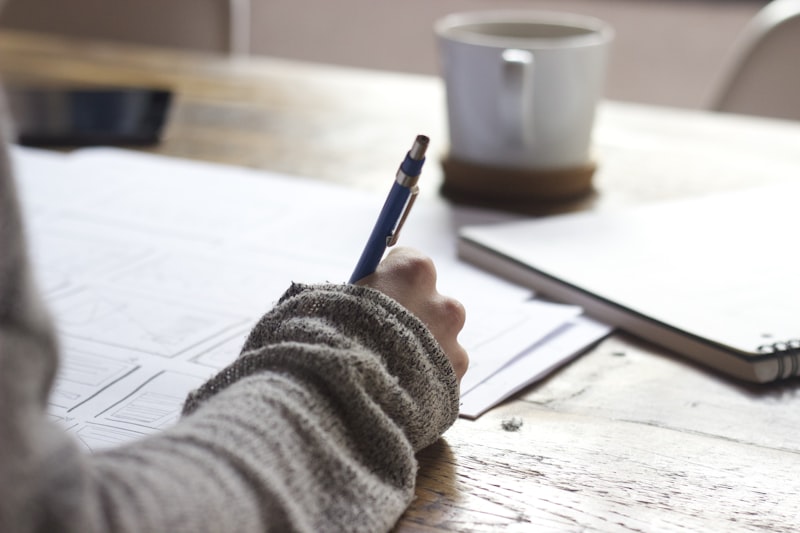
Highlighting and re-reading feel productive but rank among the least effective study methods. Active recall — forcing yourself to retrieve information without looking — is the single most powerful tool you have and requires zero drugs.
“`| Technique | What to Do | Effectiveness | Time Cost |
|---|---|---|---|
| Flashcards | Cover answer, test yourself before flipping | Very High | Low |
| Practice Tests | Do old exams under timed conditions | Very High | Medium |
| Feynman Method | Explain the concept like you’re teaching a 12-year-old | High | Medium |
| Cornell Notes | Cover notes column, quiz yourself from cues | Moderate | Low |
| Highlighting | Color-coding while reading | Low | Low |
| Re-reading | Reading same pages repeatedly | Very Low | High |
 “`
“`
Eat for Your Brain, Not Your Stomach
What you eat during a cram session directly affects your cognitive performance. Avoid heavy, processed foods that spike and crash your blood sugar. Instead, snack on slow-release brain fuel.
“`
Avoid: Energy drinks, sugary snacks, heavy fast food, and alcohol. These all impair memory consolidation — the exact thing you need when cramming.
Prioritize a Power Nap Over an All-Nighter
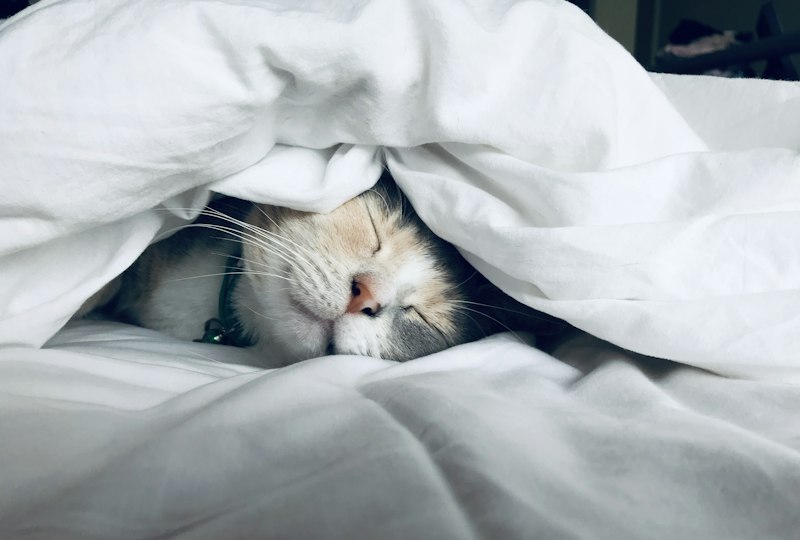
This is counterintuitive when you’re panicking, but sleep is when your brain consolidates memory. A complete all-nighter leaves you with 20–40% worse recall than getting even 4–5 hours of sleep. If you must stay up late, use a strategic nap.
“`| Nap Length | Benefits | Best For | Warning |
|---|---|---|---|
| 10–20 min | Alertness, mood boost, quick recharge | Mid-session energy dip | Set an alarm! |
| 60 min | Memory consolidation, cognitive restoration | After heavy content study | May feel groggy briefly |
| 90 min | Full sleep cycle, max consolidation | When you have time | Don’t skip your alarm |
| All-nighter | More time, but less retained | Last resort only | Not recommended |
 “`
“`
Use Your Environment Strategically
Where you study matters as much as how you study. Context-dependent memory is real — your brain encodes information better in an environment similar to where you’ll be tested. It also means your bed and your couch are terrible study spots.
- Study at a desk or table — not your bed (bed = sleep cues, not focus cues).
- Keep it cool — 65–68°F is the optimal temperature for alertness and focus.
- Go phone-free — put it in another room or use an app blocker like Freedom or Cold Turkey.
- Use ambient sound — lo-fi music or white noise helps drown out distractions without occupying language processing centers.
- Good lighting — natural or cool white light keeps melatonin suppressed and alertness high.
Your apartment setup matters. At Tuscaloosa student housing communities, look for units with dedicated desk space, quiet hours policies, and common study rooms. A proper study environment beats any stimulant.
Hydrate & Move — Seriously
Dehydration of just 1–2% causes measurable declines in concentration, short-term memory, and reaction time. And 10 minutes of light movement (even a walk around your apartment complex) increases blood flow to the prefrontal cortex — the part of your brain responsible for studying, problem-solving, and focus.
- Drink 8–10 oz of water every hour during your study session.
- Take a 10-minute walk every 2 hours — outside if possible.
- Do 2 minutes of deep breathing before a tough study sprint (box breathing: 4 sec in, 4 hold, 4 out, 4 hold).
- Avoid energy drinks — the crash will hit mid-exam.
Sample 6-Hour Cram Schedule
No stimulants needed. Plug in your exam time and work backward.
| Time Block | Activity | Method | Duration |
|---|---|---|---|
| Hour 0:00 | Brain dump + priority list | Free writing | 10 min |
| Hour 0:10 | Sprint 1 — Biggest gap topic | Active recall / flashcards | 25 min |
| Hour 0:35 | Break — stretch + water | No phone | 5 min |
| Hour 0:40 | Sprint 2 — Second gap topic | Practice questions | 25 min |
| Hour 1:05 | Break | Walk around / snack | 5 min |
| Hour 1:10 | Sprint 3 + Sprint 4 | Feynman method | 55 min |
| Hour 2:05 | Long Break | Walk, eat brain food, hydrate | 25 min |
| Hour 2:30 | Repeat 4 sprints — new topics | Mix of flashcards + past exams | ~2 hrs |
| Hour 4:30 | Power nap (optional) | 20 minutes max, set alarm | 20 min |
| Hour 4:50 | Final review sprint — weak spots only | Quick active recall run | 50 min |
| Hour 5:40 | Stop studying. Rest. Hydrate. | Trust your prep | — |
Your Study Space Starts at Home
The right apartment setup makes natural cramming 10x easier. Quiet units, dedicated desk space, and study-friendly common areas — that’s what Tuscaloosa student housing should offer.
Explore Student Housing in Tuscaloosa →Frequently Asked Questions
Everything UA students ask about drug-free cramming.
“`
Clay.
As founder of TuscaloosaStudentHousing.com, he combines that local knowledge with hands-on research of the Tuscaloosa rental market to publish practical, honest guides for University of Alabama students living off campus.